INNOVATION AND TECHNOLOGY TRANSFER
The Innovation and Technology Transfer group (ITT) at CERN aims to engage with experts in science, technology and industry in order to create opportunities for the transfer of CERN’s technology and know-how.
The ultimate goal is to accelerate innovation and maximise the global positive impact of CERN on society. This is done by promoting and transferring the technological and human capital developed at CERN. You can read more about it on the technologies that change your lifes or CERN’s impact pages.
The ITT group organises ITT forums with representatives from all CERN Member States, including the ITT Forum Belgian delegates.
Barbara Brooijmans
Click to see details
- Delegate to ITT Forum
- Science and Education Councellor at Research and Innovation Department, Wallonia-Brussels, Belgian Embassy Bern
- E-mail: b.brooijmans@delwalbru.be
- Website: https://www.wbi.be/en/research-innovation
Thomas Cocolios
Click to see details
- Delegate to ITT Forum on medical applications
- Professor at KU Leuven – Department of Physics and Astronomy
- Website: https://fys.kuleuven.be/iks/interdisciplinary-research
Serge Goldman
Click to see details
- Delegate to ITT Forum on medical applications
- Professor Emeritus at Free University of Brussels – Hopital Erasme
Two Belgian success stories in CERN knowledge transfer
ELISA
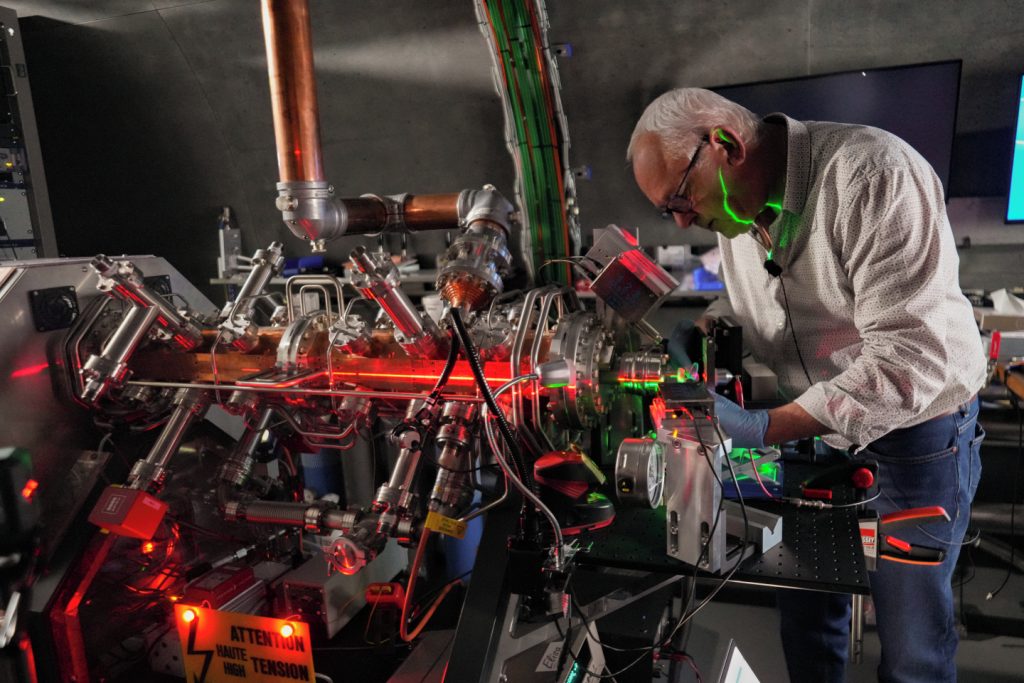
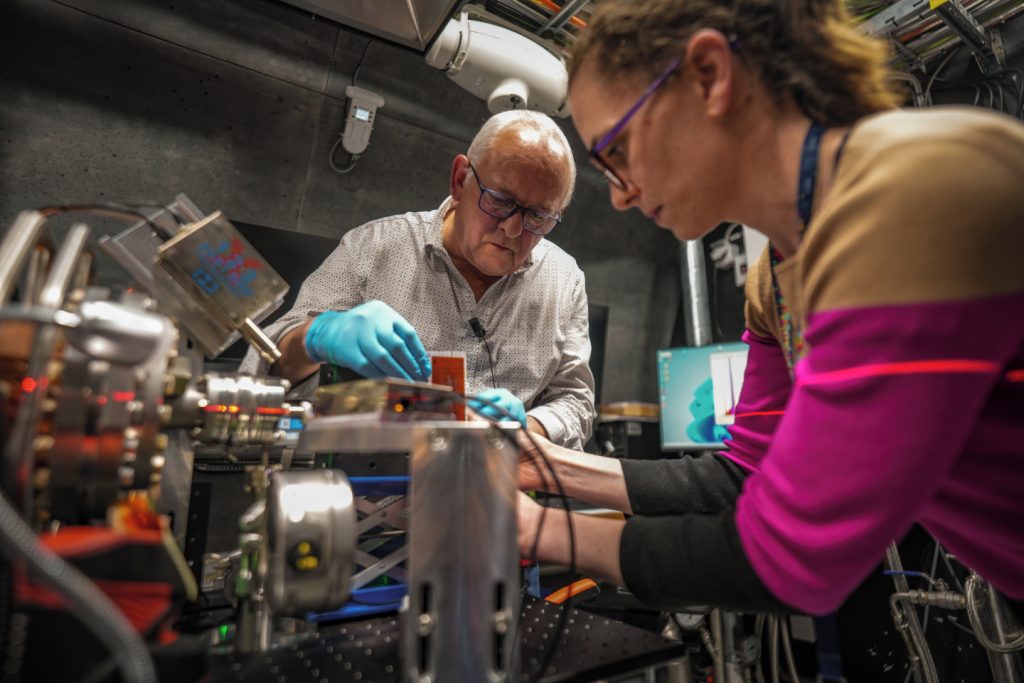
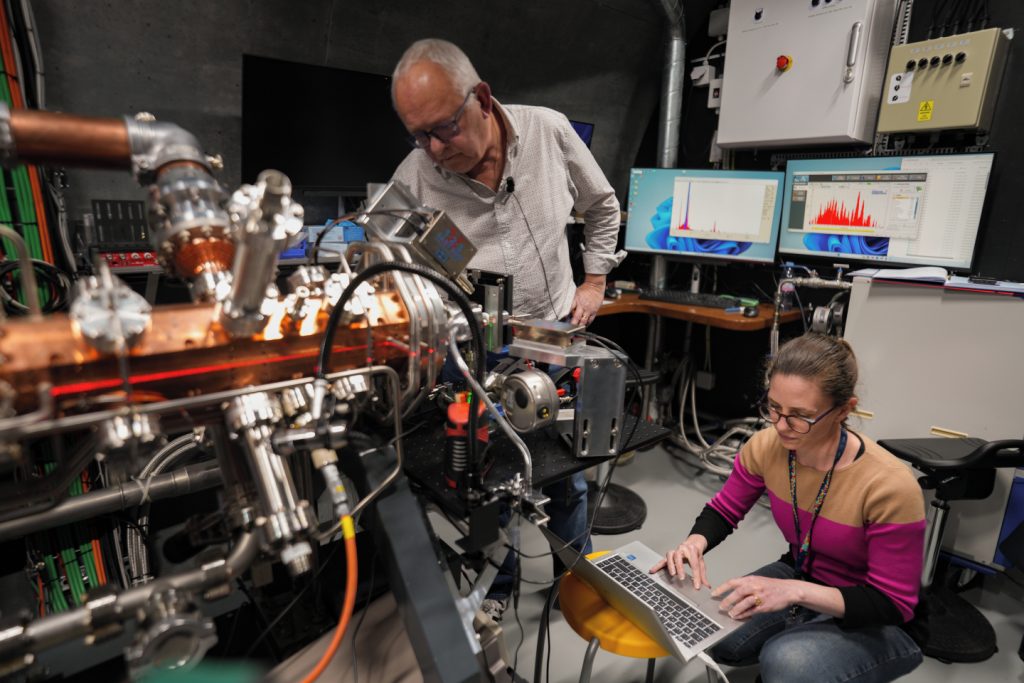
A Belgian physicist at CERN, Serge Mathot, is involved in a significant Knowledge Transfer project. He spearheads the development of a transportable Radio Frequency Quadrupole (RFQ) accelerator that will be introduced into museums or restoration centres to analyse fine art and cultural artefacts. The project MACHINA (Movable Accelerator for Cultural Heritage In-situ Non-destructive Analysis), as it’s named, was launched in 2018 at the Opificio delle Pietre Dure (OPD) in Florence, one of the world’s leading institutes in art restoration.
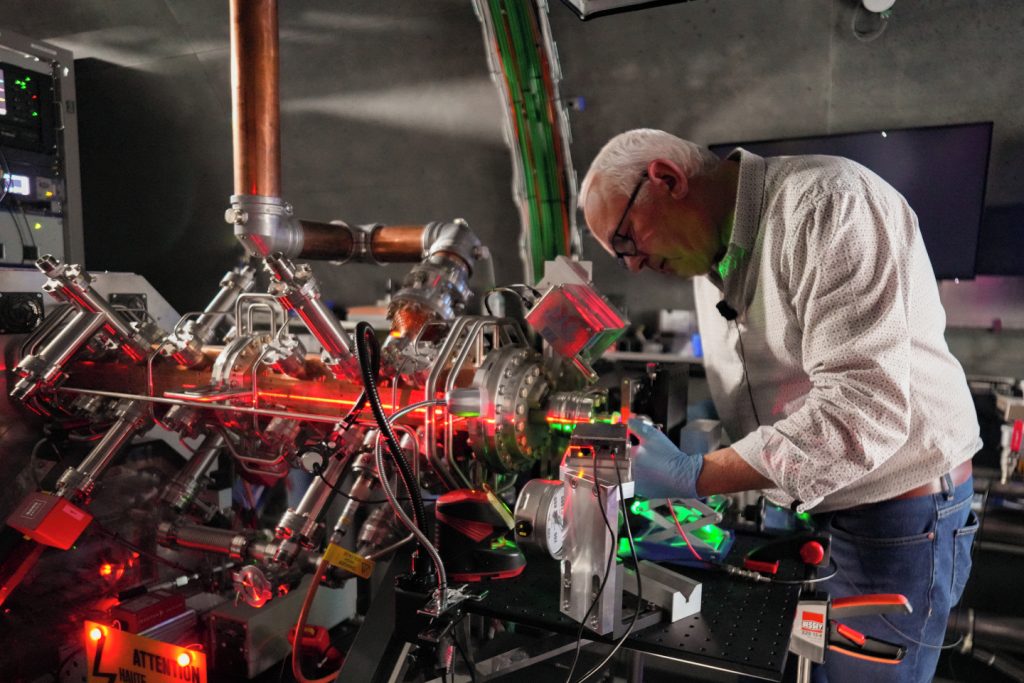
MACHINA led to the development of ELISA (Experimental Linac for Surface Analysis) now being used to analyse the composition of objects, such as art, geological or cultural heritage objects, without causing any damage, at Science Gateway, CERN’s education and outreach centre. This marks the first time a proton accelerator of this kind has been used for research as a part of a museum exhibition.
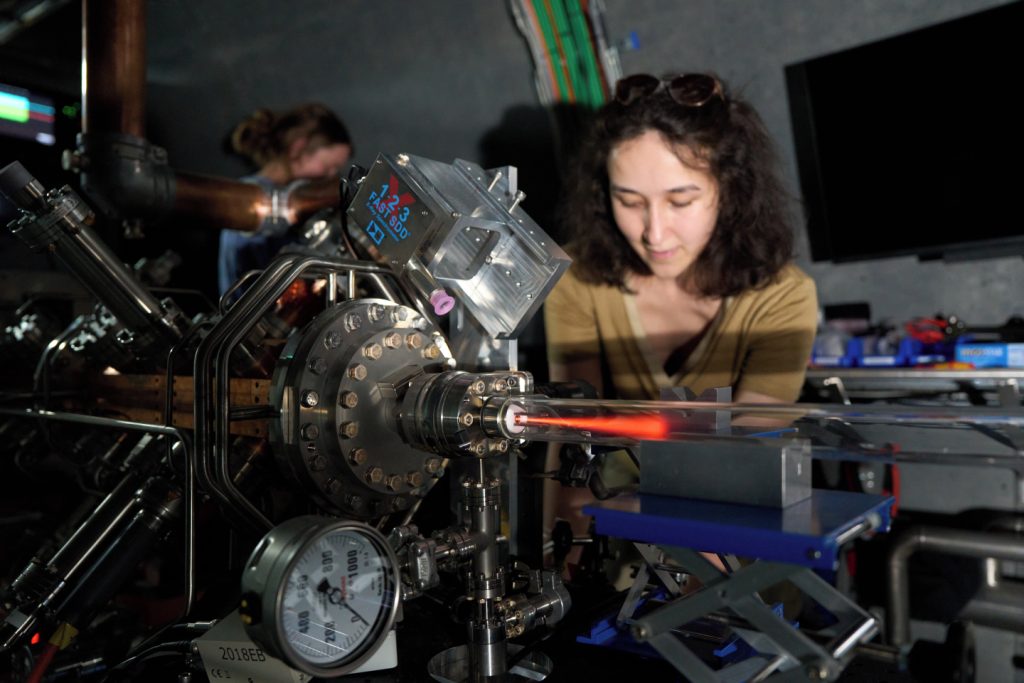
MEDICIS
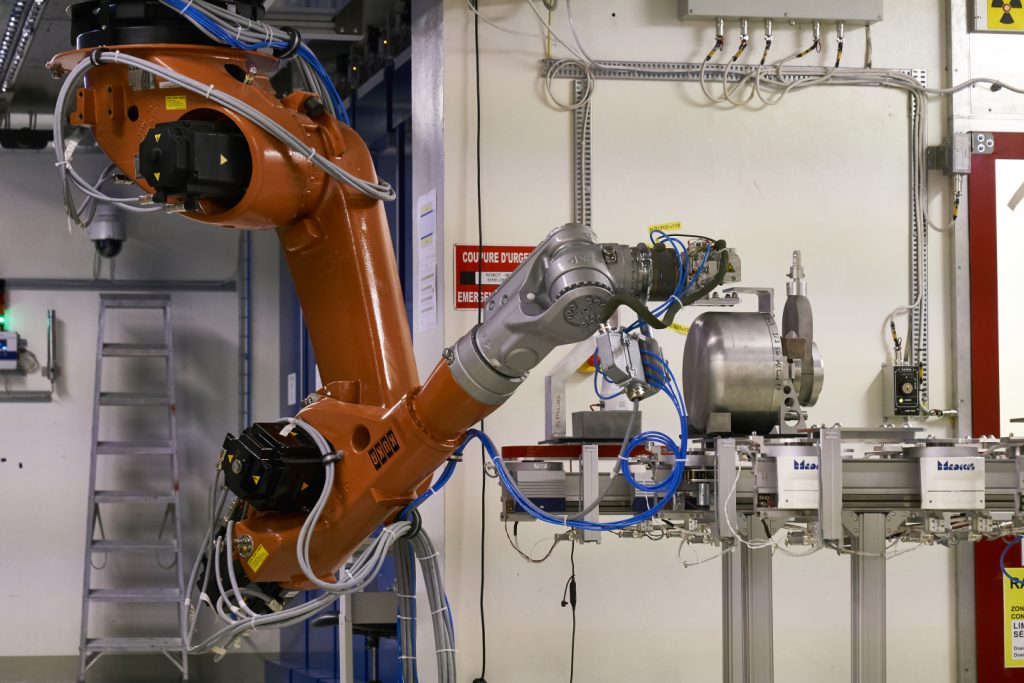
CERN’s MEDICIS facility contributes to medical research by producing novel radioisotopes, elements with too many or too few neutrons to be stable. These radioisotopes not only help diagnose cancers and other diseases, but can also deliver precise radiation doses to treat diseased cells without destroying the surrounding healthy tissue.
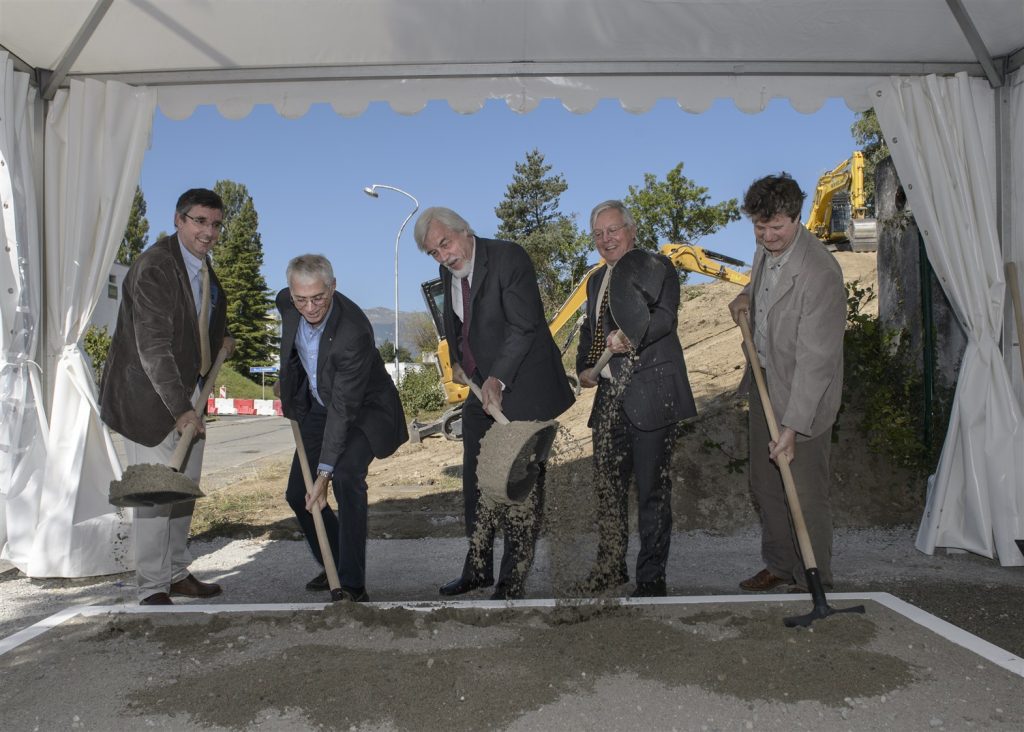
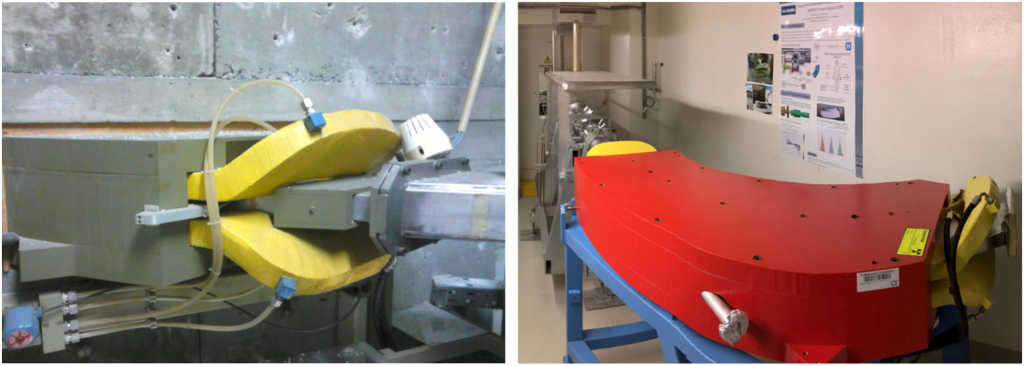
KU Leuven was the only non-local institution involved in initiating the MEDICIS project, alongside CERN, Geneva University Hospital (HUG) and Lausanne University Hospital (CHUV). KU Leuven contributed the dipole magnet at the heart of the separator. Since then, numerous studies have been conducted in partnership with Belgian institutions, including research involving Samarium-153 or Sm-153 (see article).